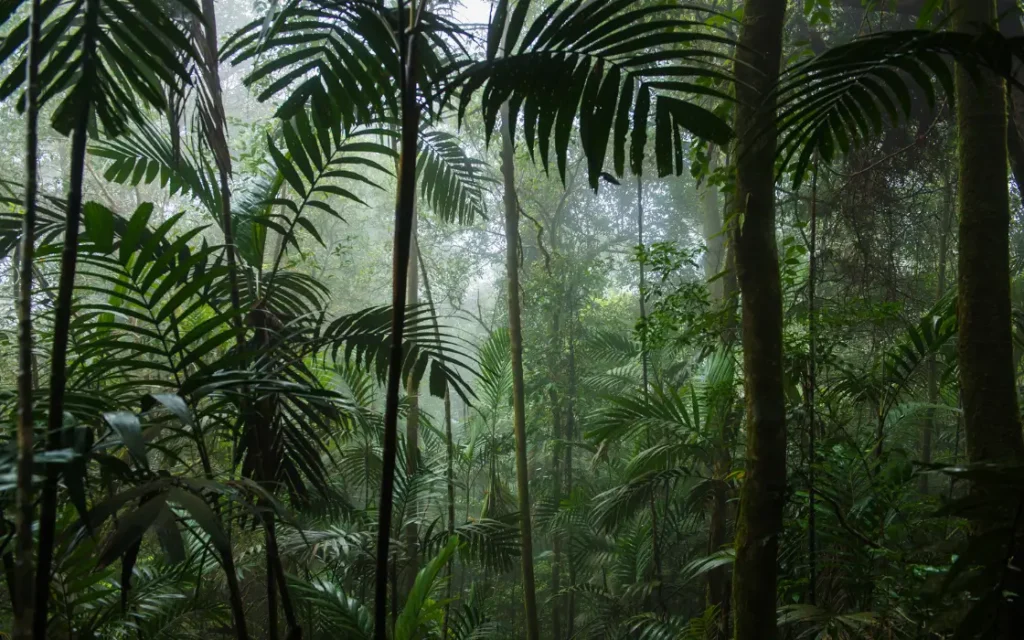
At the northernmost tip of Pemba Island lies Ras Kigomasha Peninsula, a dramatic peace of land between the Ngezi Forest and the Pemba Channel. This is where the island’s limestone cliffs and beaches meet the sea, creating a landscape that feels both ancient and vital. Dominated by its historic lighthouse with the ancient Ngezi forest in the back, Ras Kigomasha is a dramatic and beautiful place well worth a visit.
Ras Kigomasha is more than a geographic landmark. It is a vital part of Pemba’s maritime identity. For over a century, its lighthouse has guided spice-trading dhows and international vessels safely around the treacherous reefs of the “Green Island.” Geographically, it serves as the gateway to the Ras Kigomasha Peninsula, protecting the unique biodiversity of the nearby primary forest and providing a vantage point that connects the island’s interior to the vastness of the Indian Ocean. Most of the Pembas Best lodges can be found along the coast here as the mixture of cliffs, sandy coves, perfects sunset and the nearby coral reefs make it an ideal location for a vacation.
The History of the Ras Kigomasha Lighthouse
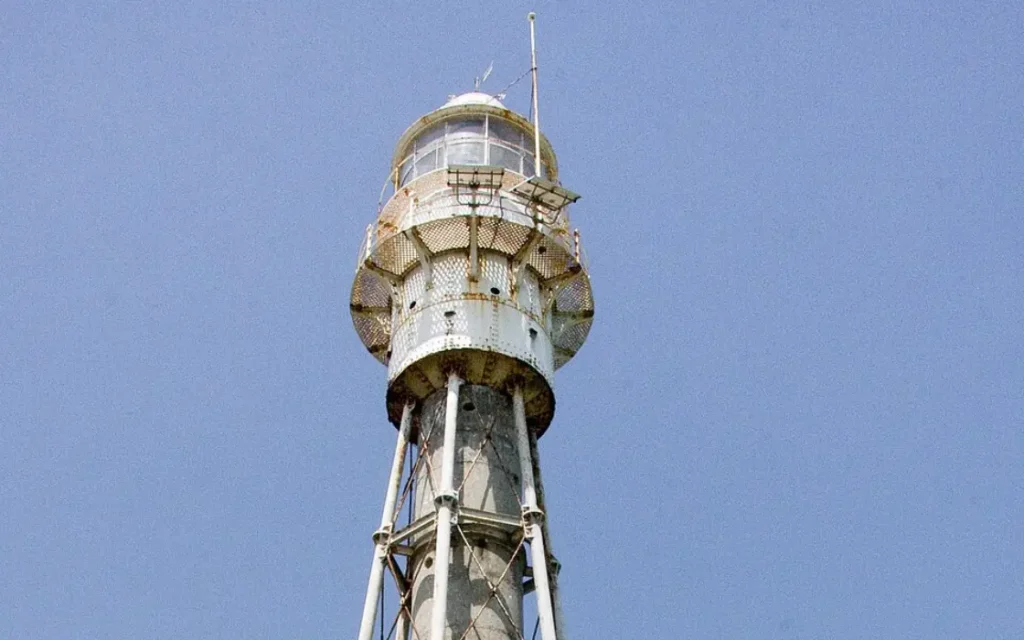
The lighthouse at Ras Kigomasha stands as a remarkable relic of the British colonial era, commissioned at the turn of the 20th century to secure the burgeoning maritime trade routes of the Swahili Coast. Constructed in the early 1900s, the tower is a rare example of a prefabricated cast-iron structure, designed to withstand the corrosive salt air and high winds of the channel. Its skeletal, industrial aesthetic provides a striking contrast to the lush, organic beauty of the surrounding peninsula, marking a time when Pemba was becoming a global hub for the clove trade.
For generations, the lighthouse has been more than just a navigational aid. It has been a symbol of continuity for the people of North Pemba. While the world around it has modernized, the lighthouse remains an active sentinel, operated by keepers who maintain the traditional mechanics of the light. This enduring presence serves as a bridge between Pemba’s storied past as a maritime crossroad and its current status as a sanctuary for slow, conscious travel.
What Visitors Can Experience
A journey to this northern peninsula offers a blend of historical places, villages and nature. In the far north is the historic cast iron lighthouse, built by the British in 1905, but remains fully operational today even though the original lighthouse has been replace with solar power today. For those who are brave enough, climbing the tower is possible with permission from the lighthouse keeper who lives in a house next to the lighthouse. From the top, visitors can expect a breathtaking 360-degree panorama while the lighthouse keeper will tell you the story and facts of the lighthouse. From the top you can look south over the emerald canopy of the Ngezi Forest or gaze north into the deep, indigo waters of the Pemba Channel. On a clear day you will see Mombasa and the Tanzanian Mainland
At the base of the cliffs, the landscape invites active exploration of the island’s unique geology. When the tide recedes, the sharp coral rag cliffs reveal hidden rock pools teeming with marine life, making it a premier location for quiet “beachcombing” and nature photography. The sheer proximity of the deep channel to the shoreline also transforms Ras Kigomasha into a natural observatory; between July and September, it is one of the few places on the archipelago where you might spot migrating Humpback whales directly from the land.
As the day nears its end, the headland becomes a sanctuary for reflection. Being the westernmost point of the island’s northern tip, it provides some of the most dramatic and unobstructed sunset views in East Africa. Watching the sun dip below the Indian Ocean while the rhythmic flash of the lighthouse begins its nightly duty is a quintessential Pemba experience, offering a sense of peace and isolation that is increasingly rare in the modern world.
Practical Details
- Location: North Pemba, at the end of the main road past the village of Makangale.
- Access: Most visitors arrive via a guided excursion from their lodge, often combined with a trip to Ngezi Forest. The road can be bumpy; a 4×4 or a sturdy mountain bike is recommended.
- Entry & Interaction: While the lighthouse is a functional government facility, the keepers are often happy to show visitors around for a small, informal gratuity.
- What to Wear: Sturdy shoes are essential for walking on the sharp coral rag surfaces around the lighthouse and cliffs.
Support the Lighouse Keeper
Small donations to the staff help support the local community and the upkeep of this historical site.
Safety First
The cliffs at Ras Kigomasha can be undercut. Always keep a safe distance from the edge.
Respect the Heritage
The lighthouse is a historical monument. Refrain from marking the structure or removing any artifacts from the surrounding area.
Local Community
Pemba is still a very traditional community. Refrain from walking around in only swimwear. Bring a shirt or long dress.
Frequently Asked Questions: Ras Kigomasha Lighthouse
There is no formal government ticket office at the lighthouse. However, because it is an active facility cared for by on-site lighthouse keepers, visitors typically offer a modest tip (around $5 USD or TZS equivalent) to access the grounds and climb the tower.
During the annual migration season from July through September, Humpback whales travel through the deep waters of the Pemba Channel, making it possible to spot them spouting and breaching directly from the coastal cliffs.
Ras Kigomasha sits at the tip of the peninsula, just a 10-to-15-minute drive past the northern edge of the Ngezi Forest Reserve and Makangale