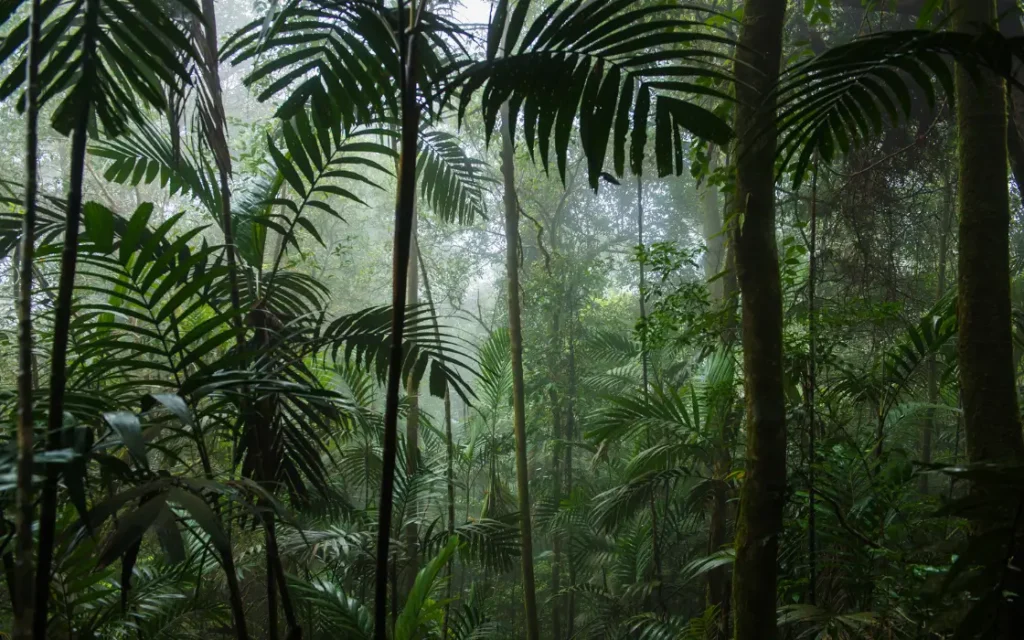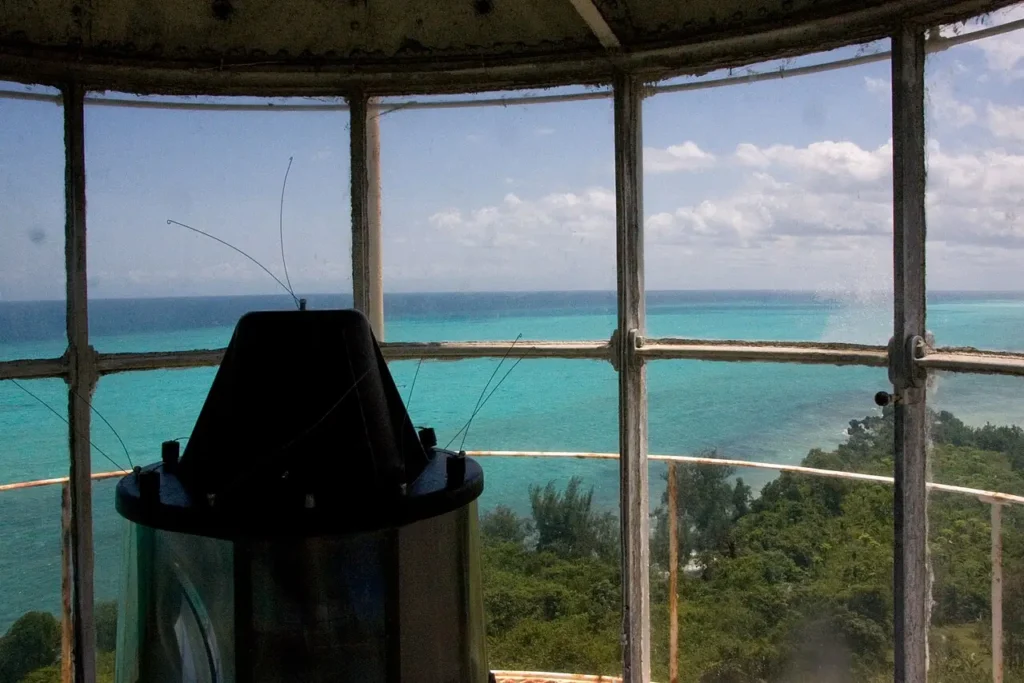
Deciding on the best time to visit Pemba Island depends entirely on the experiences you are chasing. Whether you want to dive pristine marine walls in 30-meter visibility, witness the aromatic autumn clove harvest, or trek through the lush canopy of the Ngezi Forest Reserve, understanding Pemba’s tropical monsoon patterns is essential to planning your escape.
Located just south of the equator, Pemba enjoys warm, tropical weather year-round, with average temperatures rarely dipping below 25°C (77°F). However, seasonal trade winds (Kusi and Kaskazi) and variable rainfall patterns define the island’s travel calendar.
Rainfall
Temperature
Seasons in Pemba
Days are sunny in the dry season even though brief rainstorms occur at any time of year. The long dry season, from June to October, is relatively cool due to , but January and February are among the hottest months.
The Wet seasons are warm and humid, Pemba never gets cold. Rain usually falls every two to three days mostly in th afternoons, it is still possible to visit, but you need to keep an eye on the weather forecast for planning activities. There is a shorter and less intense wet season Oct-Dec and a longer more intense wet season Apr – Jun.
June – October: Long Dry Season
Kusi, wind from the South East, Long dry season. Clear blue skies, lower humidity, lower temperatures. Best all-around travel weather.
November – Mid December: Short Rains
Masika, change of winds and short rains. Brief afternoon showers followed by sunshine; the island turns vibrant green.
Mid December – March: Short Dry Season
Kazkazi, winds from North East. The warmest months; perfect for those who love tropical heat and calm seas.
April – May: Long Rains
Vuli, change of winds and long rains. Heavy tropical downpours. Many remote lodges close during this time.